You can stay safe during a heat wave without air conditioning by blocking heat gain during the hottest hours, flushing hot air out once the outdoor temperature drops at night, cooling your body with water and moving air, and watching for heat exhaustion and heat stroke. Most heat illness is preventable with cheap, ordinary measures.
That matters because heat is one of the deadliest weather hazards, and most of the damage happens to people who did not realise they were in danger. Humidity is the part people underestimate: on a 35°C day, sweat only cools you if the air can evaporate it, so a warm, sticky afternoon can be far more dangerous than the same temperature in dry desert air.
A few ground rules before we get into the steps. Everything here is general safety information drawn from mainstream guidance, not individual medical advice. If you have a heart, kidney or respiratory condition, take medication that affects sweating or fluid balance, or were told to limit fluids, ask your doctor how this applies to you. And if someone is confused, unconscious, fitting or has hot dry skin, that is an emergency, not a house to cool overnight.
Table of Contents
- What You Need
- Step-by-Step: How to Stay Safe During a Heat Wave Without Air Conditioning
- Check the forecast and your risk level
- Make the home cooler without air conditioning
- Use fans safely and effectively
- Hydrate and choose food that supports cooling
- Stay cool without air conditioning by cooling your body and shifting your activity
- Know when to leave the home or seek help
- Common Mistakes
- Practical Tips for Daily Heat Safety
- Frequently Asked Questions
- How long can you safely stay in a room without air conditioning during a heat wave?
- Is it safe to use an electric fan if the temperature is above 40 degrees C?
- How often should I drink water when trying to stay cool?
- What are the warning signs of heat exhaustion and heat stroke?
- What should I do if my apartment gets dangerously hot and I cannot install air conditioning?
- Conclusion
What You Need
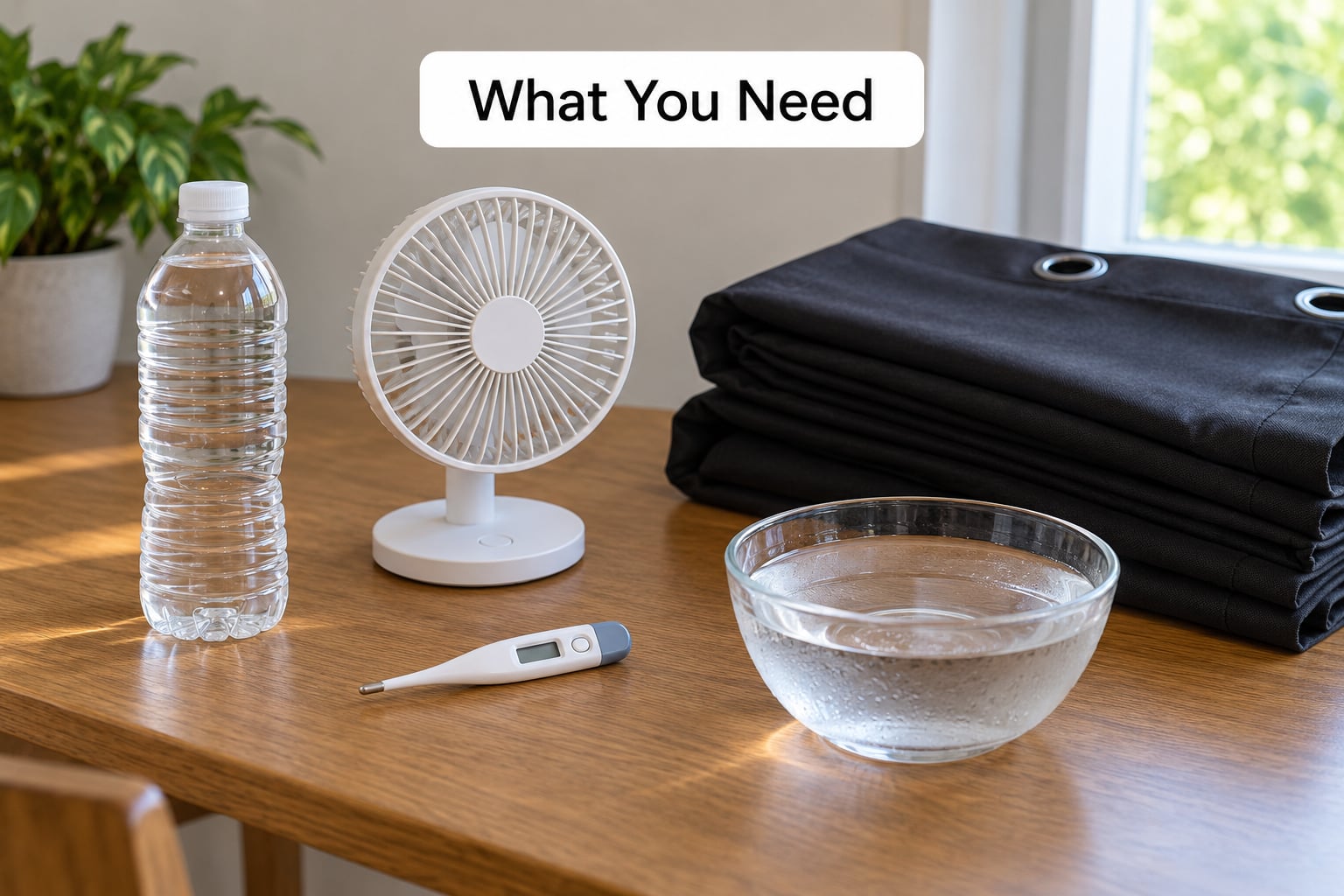
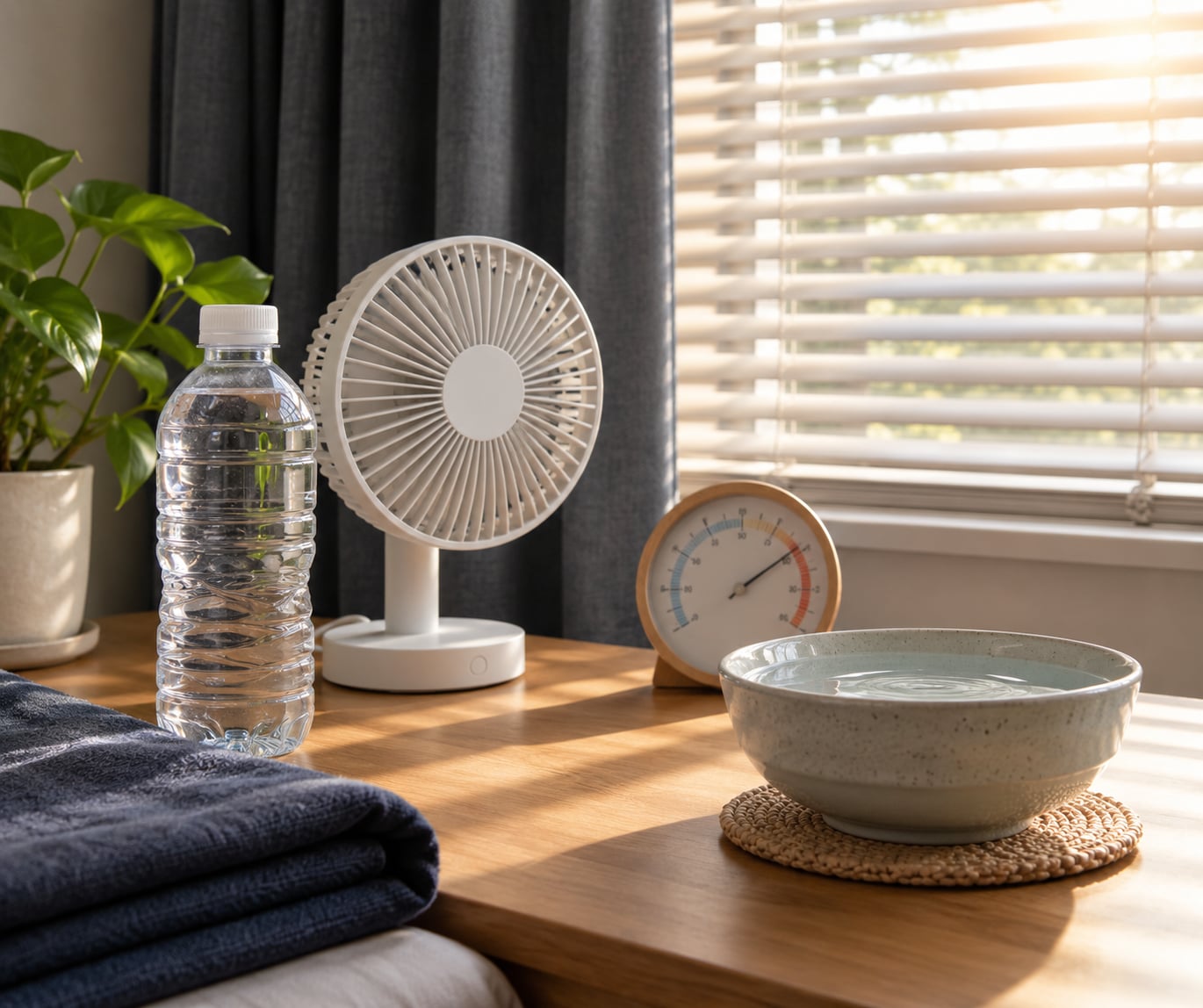
Here is the short kit: drinking water, a fan, a thermometer, cloth for wet cooling, something to block sunlight, a charged phone with emergency contacts, and a plan for reaching a genuinely cool building. None of it needs a specialist, and most of it costs very little.
- Drinking water and a cup you can reach from bed. Set a bottle within arm’s reach of wherever you sit and sleep so forgetting is harder.
- A fan. A small desk or box fan that can be aimed beats a noisy floor fan for sleeping, which is the most common complaint people have about fan cooling.
- An indoor thermometer. Cheap and more useful than the outdoor temperature, because what matters indoors is how hot it is and how long it stays that way.
- Cloth or towels for damp compresses, plus a spray bottle if you want to keep skin slightly moist for evaporative cooling.
- Shade material such as blackout curtains, a sheet, foil-backed card or exterior blinds for windows that take direct sun.
- A charged phone and a written list of who to call, because during a heat alert your phone battery may also be juggling a power cut.
- A cool destination. A library, shopping centre, community hall or place of worship with air conditioning, and a way to get there.
Keep all of it ready before the alert, not during it. The single most common regret people report is that the fan was still in a cupboard and the water was out of the fridge on day three.
Step-by-Step: How to Stay Safe During a Heat Wave Without Air Conditioning
The steps run in order: work out how dangerous today actually is, cut the heat coming in, move air over yourself, keep fluids up, reduce your own heat production, then know the point where you leave the house or call for help. Do them in that sequence each day of the wave.
Check the forecast and your risk level
Check your national weather service for heat advisories, heat warnings and the heat index, and compare that number to the temperature in your home. The heat index combines air temperature with humidity, so it is a better guide to how hard it is on your body than the raw number. Health agencies and occupational researchers also use the wet bulb globe temperature, which factors in the sun and wind and is the standard measure for whether work and sport should continue. For daily decisions at home, the heat index in your weather app is enough.
Watch the overnight low more closely than the afternoon high. When nights stay warm, the body never gets a chance to recover, and sustained elevated body temperature is what does the damage. Overnight lows that fail to drop also signal a risk to your neighbours, because nobody is thinking clearly after three nights of broken sleep in a hot room.
Higher-risk groups include infants and young children, adults over 65, people who are pregnant, people with heart, kidney or respiratory conditions, people taking medicines that change sweating or fluid balance, and anyone who works outdoors. So do people living alone, and so do people who are not within a short walk of an air-conditioned building.
Two more numbers worth having: check whether your utility has published a power-cut warning, and check whether your municipality has opened a cooling point. A heat wave and a grid stress event often arrive together, and a dead fan in a dead flat is the worst combination.
If you are unsure whether your condition, medication or pregnancy changes the advice, ask a doctor or pharmacist. They will give you a personal answer in a few minutes that no article can.
Make the home cooler without air conditioning
Close windows and draw curtains while the outdoor temperature is above your indoor temperature, then open them once the outdoor air cools below it, usually after sunset. That is the rule, and the reasoning is simple: opening windows while outside air is hotter moves heat into the house, not out of it.
During the day, treat the sun as the enemy. Blinds and curtains closed before direct light hits the glass block a large share of the heat that would otherwise come through, and shading one side of the building in the afternoon matters more than anything you do in the morning. Add an external awning or reflective card if you rent and cannot fit blinds, and remember that west-facing windows heat up last in the day, so shade them earlier.
Stop adding heat indoors. Avoid the oven and hob from mid-morning onwards, run the washing machine and dishwasher early morning or late at night, and never park a hot car in a shaded porch or garage. A single oven run raises the temperature of a small kitchen enough to push the whole flat up.
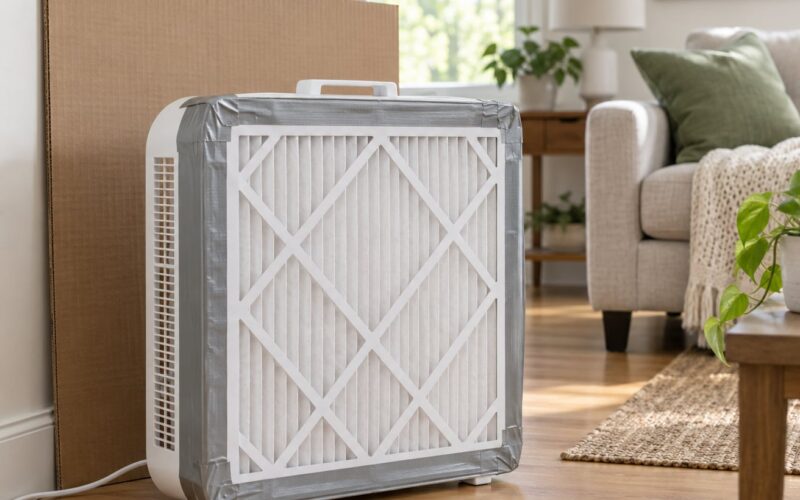
At night, open windows on opposite sides of the home to get cross-ventilation rather than a dead breeze into one room. A box fan in a window can push hot air out on the sunny side while drawing cooler air in on the shaded side, which is the arrangement people on home-heat forums rate most highly. Keep something in the opening to stop insects and rain getting in, and secure anything that could be pulled out.
Once the outdoor air cools below the indoor air, opening up and flushing is the fastest way to drop the indoor temperature, and it does so in well under an hour in most homes. After sunrise, close up again. Repeat the cycle every day and the house tracks outside temperature rather than sitting in a heat trap.
Top-floor flats and loft conversions need extra attention because the ceiling is the hot surface. Reflective insulation under the roof, a lined blind or a fan pushing air up under the eaves all help. Rooms with no external window cannot be ventilated at all, which usually makes leaving for a cooler building the honest answer rather than fighting it.
Use fans safely and effectively
Use fans to move air across your skin, because moving air speeds sweat evaporation and that is what cools you. Aim the airflow across your body rather than at your face, and set it up so you feel the breeze on your arms, neck and back.
There is a well-known safety point that gets reported badly. Above roughly 35°C, health agencies advise that a fan alone may not prevent heat-related illness in a hot, humid room, because air movement that helps you feel cooler can also drive heat into your body when the air is already warmer than your skin. That is a reason to add water and wet cooling and to move to a cooler place, not a reason to switch the fan off and lie still in a closed room.
Two more practical limits. In humid conditions a fan can feel like it is blowing warm air, because sweat is not evaporating no matter how hard the blades turn. And if humidity is below roughly 60 percent, an evaporative or swamp cooler starts to make real sense, since it cools by pushing air through water rather than compressing it.
For safety, keep fan blades and cords out of reach of small children and pets, never leave a child or animal in a parked car with a fan running and the windows closed, and stop using a fan if it makes someone with a heart or respiratory condition feel unwell.
Hydrate and choose food that supports cooling
Drink regularly rather than waiting for thirst, because thirst lags behind the fluid loss that heat causes. Small steady amounts through the day work better than one large drink at the end, and light-coloured urine is a decent everyday check that you are keeping up.
During long periods of heavy sweating, plain water alone may not be enough. Oral rehydration solutions sold as sachets, or drinks with a little salt and sugar, replace what you lose. This matters most for outdoor workers, athletes and anyone with vomiting or diarrhoea in the heat.
Eat lighter. Large, hot, protein-heavy meals add body heat to digest and make you warmer, so during the hottest hours go for salads, fruit, yoghurt, cold soups and raw vegetables. Alcohol increases fluid loss and worsens judgement, and large amounts of caffeine increase fluid loss too. Neither is a cooling strategy, however good it feels at sunset.
If you have been told to limit fluids because of heart, kidney or liver disease, do not use the volumes on this page. Ask your clinician how much you should drink and how you will know you are staying safe.
Stay cool without air conditioning by cooling your body and shifting your activity
A cool or lukewarm shower helps, and cold water on your neck, armpits, wrists and groin cools blood at the surface quickly. Damp cloths in a bowl of cold water, refreshed every few minutes and draped over your head and neck, work surprisingly well. So does a bowl of ice in front of a fan, and a wet sheet hung in the airflow.
Soak your feet in cool water for ten minutes or so, especially in the evening, and wear loose, light-coloured clothing made from material that wicks sweat away from the skin. Change clothes if sweat has soaked through, because damp fabric holds heat against you until it dries.
Shift strenuous activity out of the middle of the day. Household chores, exercise, dog walks and shopping all produce heat you do not need during peak hours, so move them to early morning and late evening. Move as little as possible between tasks, and keep talking to a minimum during the hottest part of the day, because speech generates heat you do not need.
None of this replaces a genuinely cool room. If the indoor temperature keeps rising no matter what you do, treat leaving the building as a legitimate cooling method rather than a last resort.
Know when to leave the home or seek help
Heat exhaustion comes first. Heavy sweating, cool pale clammy skin, a fast weak pulse, headache, nausea, dizziness, cramps and a body temperature that is high but normal or below feels are the signs. Move the person to the coolest place available, loosen clothing, wet their skin and cool them with a fan, give cool water if they are fully awake and can swallow, and get them to rest. Heat exhaustion can become heat stroke quickly.
Heat stroke is the emergency. The signs are a very high body temperature, hot skin that may be dry or sweaty, confusion, slurred speech, loss of coordination, fainting, seizures and altered behaviour. Call emergency services immediately, move the person somewhere cool, and keep cooling them while you wait. Do not give fluids to someone who is confused, drowsy or fitting. Heat stroke damages organs and it is fatal if cooling is delayed, so speed matters more than technique.
Move to a cooler public place without waiting for symptoms if your home stays above roughly 30°C during the day and your risk factors are high. Libraries, shopping centres, community centres and museums are normally air conditioned and usually free to enter.
Common Mistakes
Most heat illness traces back to one of six avoidable errors, and each has a simple correction.
- Leaving windows open through the hot part of the day. It feels like fresh air, but it is moving hot outdoor air indoors. Fix: close up and shade when outside air is warmer than inside, and open when it turns cooler.
- Treating a fan as the whole solution in extreme heat. Airflow helps at moderate temperatures and can be misleading in extreme heat with humidity. Fix: pair it with water, wet cooling and moving to a cooler room or building.
- Waiting for thirst before drinking. Thirst arrives after you have already lost fluid, which is why heat exhaustion can build unnoticed. Fix: drink small amounts on a schedule, set out in front of you.
- Using alcohol to cool off. It increases fluid loss, worsens judgement and disrupts sleep, which is the night your body needs most. Fix: water, and save the drink for a cool room.
- Taking a hot shower before bed. It feels soothing and it adds heat and humidity to the house right when you want the opposite. Fix: a cool or lukewarm shower instead, and cool water on pulse points.
- Pushing through heat exhaustion symptoms. The urge to finish the task is strong, and heat stroke often follows someone who kept going. Fix: stop, cool, hydrate, and get help if symptoms do not settle within an hour.
Practical Tips for Daily Heat Safety
A few things that consistently help, depending on your situation.
- If you rent, ask in writing for window shading, a portable unit or a ceiling fan repair as a heat-safety measure, and keep screenshots of indoor temperatures with dates. Temperature logs make an energy or health argument concrete.
- If you are an older adult living alone, agree a daily check-in call and keep a list of your medications somewhere cool. Heat and medicine storage are worth checking together with your pharmacist.
- If you have young children, never leave them in a parked car, even briefly, and keep infants out of direct sun when out. Push a canopy rather than the buggy if you can.
- If you work outdoors, take a break in the shade before you feel unwell, drink on a schedule rather than when thirsty, wear light clothing and a hat, and ask your employer about rest breaks and heat-acclimatised schedules.
- If you have a pet, provide shade, water at more than one spot, and a cool floor surface. Limit walks to the cool parts of the day and never leave an animal in a parked car.
- If a power cut is likely, keep a charged battery pack, a light, and enough drinking water for several days. Never run a generator indoors or in a garage, and treat the car as an unsafe place to sleep in a heat wave.
Frequently Asked Questions
How long can you safely stay in a room without air conditioning during a heat wave?
It depends on indoor temperature, humidity, how long it stays hot and your own health. As a rough guide, a well-ventilated room of 30 degrees C or below for a day or two is manageable for most healthy adults who keep drinking, keep curtains closed and use a fan. Persistent indoor temperatures above 30 degrees C across several nights put anyone over 65, any child, and anyone with a health condition at real risk. In that situation, spending the hottest hours in an air-conditioned public building is the sensible move rather than a defeat.
Is it safe to use an electric fan if the temperature is above 40 degrees C?
Use it, but never rely on it alone. Above about 35 degrees C, health agencies warn that a fan on its own may not prevent heat-related illness, particularly in humid air, so pair it with cool water, wet compresses on the neck and wrists, light clothing and a cooler room or building. Keep blades and cords out of reach of children and pets, and stop if someone with a heart or respiratory condition feels unwell from the airflow.
How often should I drink water when trying to stay cool?
Drink steadily through the day rather than waiting for thirst, since thirst lags behind the fluid you have already lost. Sip small amounts every 15 to 20 minutes while moving about in the heat, and increase the amount during heavy sweating, exercise or illness. Light-coloured urine is a reasonable everyday check. If you have been told to limit fluids for heart, kidney or liver reasons, follow your clinician’s figure instead of any general guidance.
What are the warning signs of heat exhaustion and heat stroke?
Heat exhaustion brings heavy sweating, cool clammy skin, a fast weak pulse, headache, nausea, dizziness and cramps. Move somewhere cool, loosen clothing, cool with wet skin and a fan, and give cool water if the person is fully alert. Heat stroke is the emergency: a very high temperature with hot skin, confusion, slurred speech, loss of coordination, fainting, seizures or strange behaviour. Call emergency services and keep cooling while you wait. Do not give fluids to someone confused or drowsy.
What should I do if my apartment gets dangerously hot and I cannot install air conditioning?
Block what you can first: shade every sun-facing window, close up and open later when the outside air cools, stop cooking in the hottest hours and open opposite windows at night for cross-ventilation. Use a fan for airflow and add wet cooling on your skin. If the flat stays dangerously hot, plan to spend the hottest hours somewhere genuinely air conditioned, such as a library, shopping centre or community cooling point, and ask your local authority what cooling support is open. Ask your doctor about help with heat if you have a health condition.
Conclusion
Start by checking today’s heat index and your overnight low, close the curtains and windows while it is hotter outside than in, and open everything after sunset. Keep water in front of you, run the fan for airflow but never alone, and move the washing, cooking and exercise out of the middle of the day.
Then do the part people forget: check on a neighbour who is older, lives alone, has a health condition or has no reliable cooling. That single phone call prevents more heat illness than any gadget in this guide.