Set your thermostat to about 68F (20C) at home in winter and 78F (25.5C) at home in summer, then adjust it for sleep, absence and humidity. The U.S. Department of Energy puts the savings at up to 10% a year from turning the thermostat back 7 to 10 degrees for eight hours at a time.
That is the short answer on the best thermostat settings for winter and summer savings, but it is a starting point rather than a rule. Insulation, window quality, how many people are home, and whether you run a heat pump or a gas furnace all change what number works for you. This guide walks through each setting so you can adjust one thing at a time and actually notice the difference.
Table of Contents
- What Is the Best Thermostat Setting for Summer?
- What works for an average household
- What to do when insulation is poor or humidity is high
- What Is the Best Thermostat Setting for Winter?
- How to use programmable and smart schedules without overheating an empty home
- How Do Thermostat Settings Affect Energy Bills?
- How to Choose Settings for Your Home
- A room-by-room and season-by-season checklist
- Winter and Summer Thermostat Settings at a Glance
- Tips to Save Energy Without Sacrificing Comfort
- Frequently Asked Questions
- What is the most energy-efficient thermostat setting in summer?
- What is the best thermostat setting in winter without making the house too cold?
- Is it better to turn the thermostat off when I am away?
- Should I use the same thermostat setting in Fahrenheit and Celsius?
- How do I use a programmable thermostat to save energy?
- Can changing the thermostat really reduce my energy bill?
- Start With One Small Adjustment
What Is the Best Thermostat Setting for Summer?
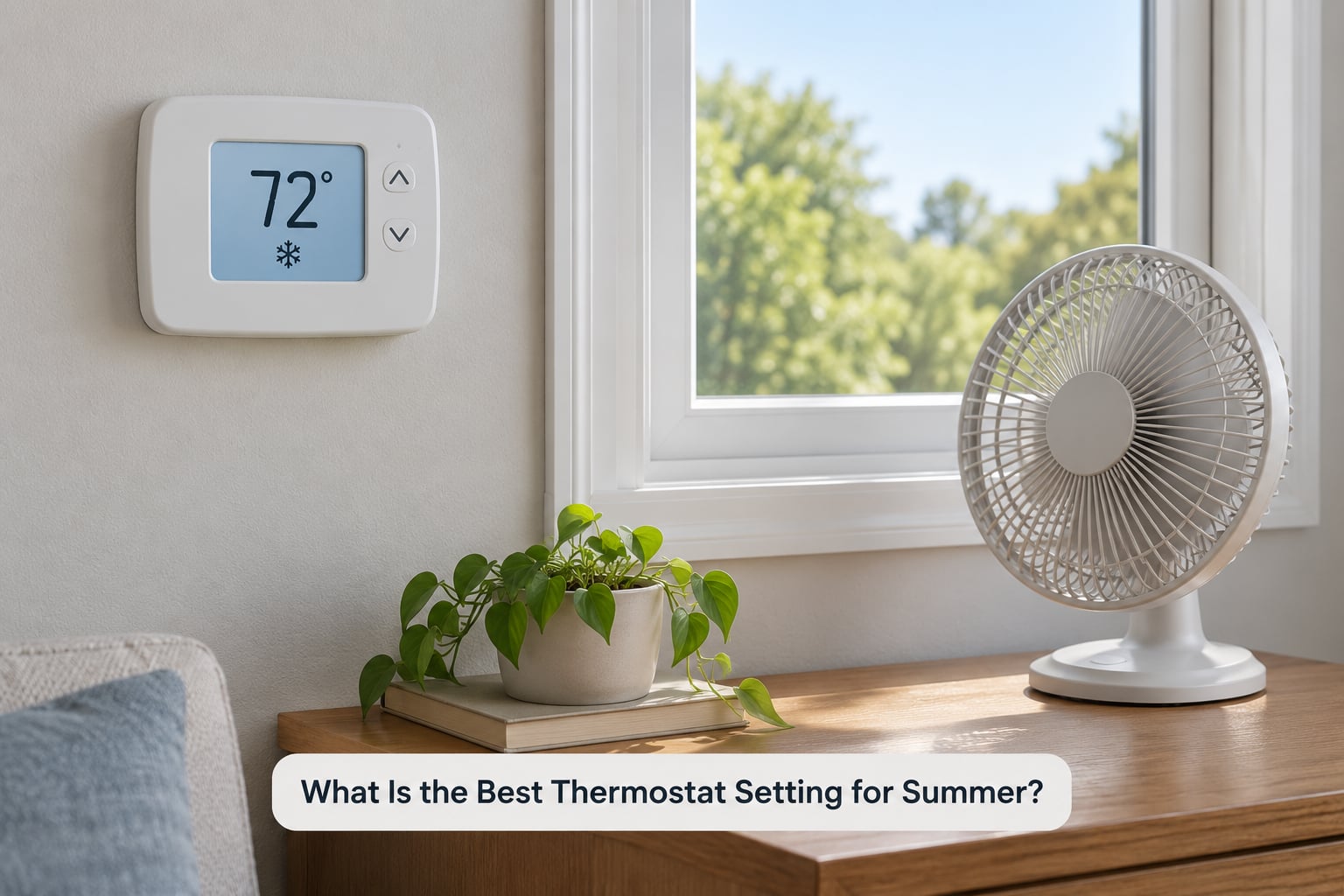
The best temperature to set your thermostat to in the summer is 78F (25.5C) while you are at home. Most households settle somewhere between 76F and 79F, and the setting alone usually decides less than how much sun your house takes in and how leaky your attic is.
Here is the useful part most guides skip: the thermostat is a target, not a speed control. Raising it to 90F will not cool the house any faster than setting it to 80F. The compressor runs until the room reaches whatever number you picked, so pushing the dial around only changes how uncomfortable you are while you wait.
What works for an average household
Start at 78F when you are awake and home, and drop to 80F or 81F overnight. Bump it to 85F (29.4C) while nobody is there, particularly during the 2 PM to 6 PM window when outdoor temperatures usually peak.
Close blinds on sun-facing windows before the afternoon heat arrives, and run ceiling fans counterclockwise so air moves across your skin rather than straight down. Those two habits let a lot of people live happily at 77F instead of 74F, and the difference over a whole summer is measurable on the bill.
What to do when insulation is poor or humidity is high
Drafty rooms, west-facing glass and a wet climate push you toward 75F or 76F rather than 78F. In humid regions the temperature is not the only comfort lever; the moisture is what makes 78F feel like 85F.
Set the air handler fan to Auto so the system can dehumidify as it cools, avoid opening windows when the outdoor dew point is above the indoor one, and check the setting again after a few hot days rather than judging it on the first afternoon.
What Is the Best Thermostat Setting for Winter?
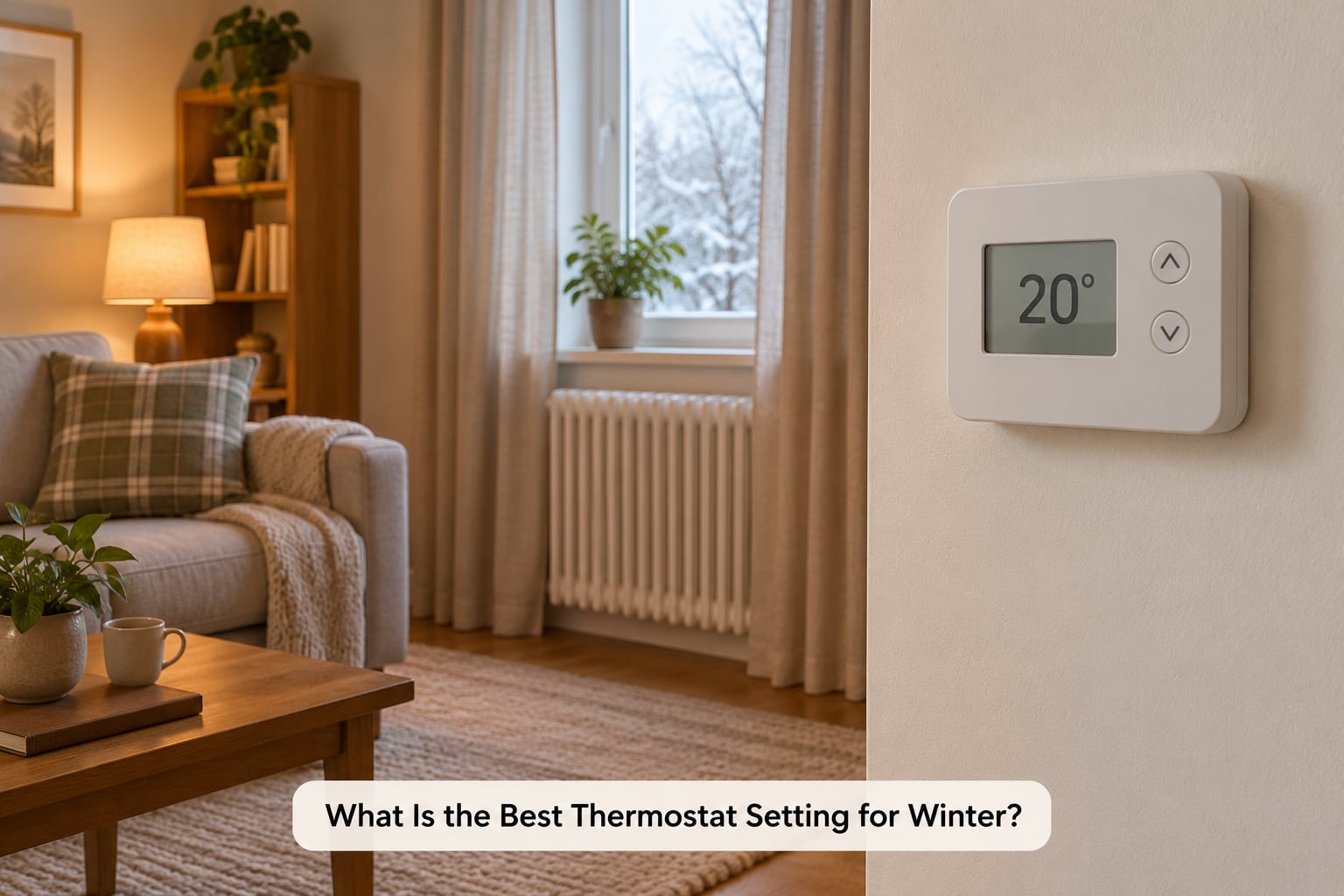
The best winter thermostat setting for most homes is 68F (20C) while you are home and awake. Lower it to 60F to 62F (15.5C to 16.5C) overnight, and use 55F (13C) when you are away for more than a day.
Nobody is cold at 68F indoors, but people notice the step down when they wake up. That reaction is why the setback works, and it is also why a sudden drop from 72F to 60F feels harsh. Many households lower the setting one degree a week until their body adjusts, which is a slower fix and a more comfortable one.
Heat pumps behave differently from furnaces here. A furnace warms a room with air, so a large gap between set point and outdoor temperature translates almost directly into fuel use. A heat pump moves heat rather than making it, and it loses efficiency as the outdoor air gets colder, so wide overnight swings mean more hours running the backup or auxiliary heat. Modest setbacks of 4 to 6 degrees are usually the better trade with a heat pump.
How to use programmable and smart schedules without overheating an empty home
A schedule only saves you money if it matches what you actually do. Build it around three blocks: your typical waking time, your typical return time, and the hours you are asleep. Most people discover their morning and evening times are wrong by an hour, which is often worth more than the degree change.
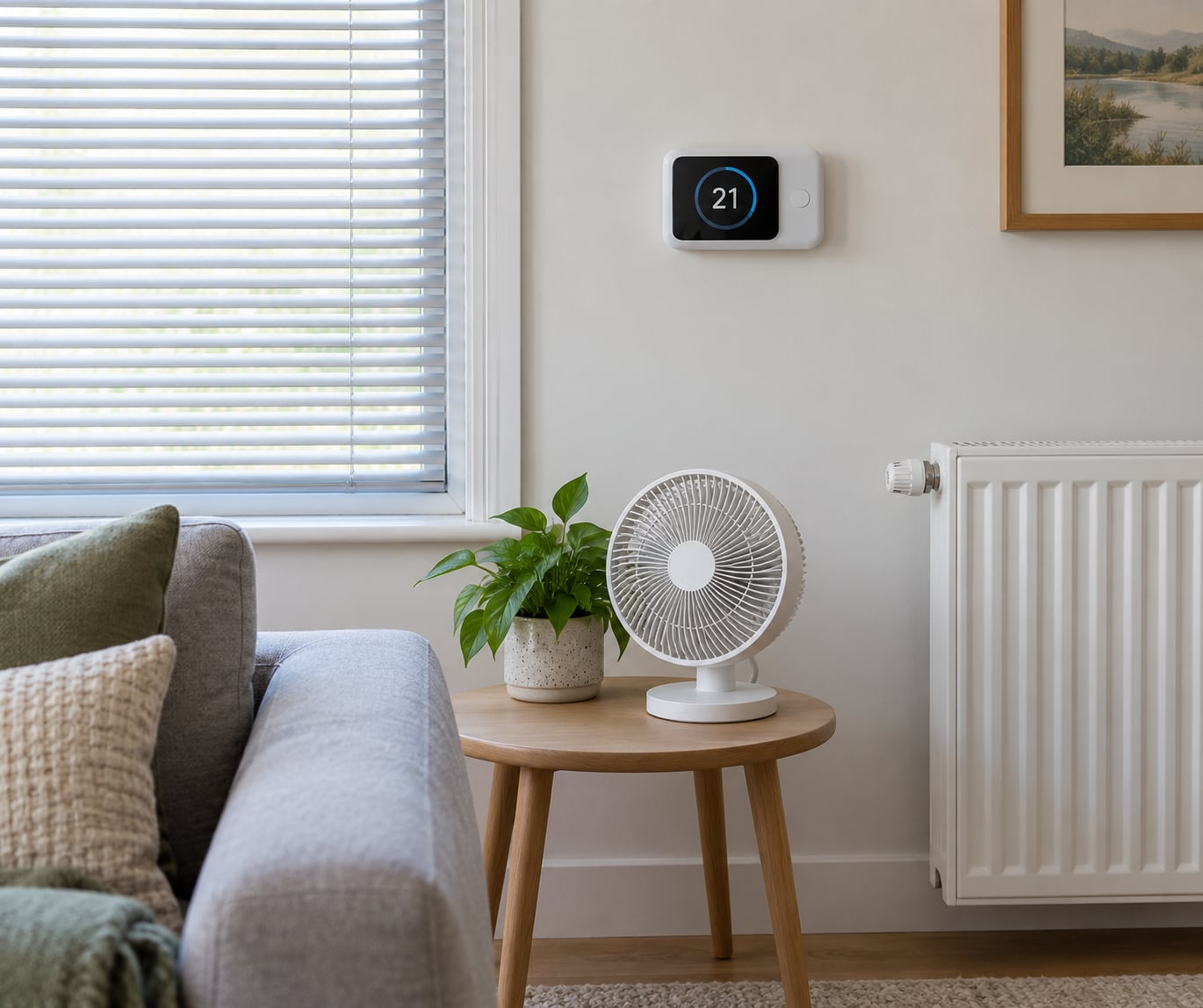
Smart thermostats add geofencing and occupancy learning, which remove the guesswork but do not fix a bad routine. ENERGY STAR reports smart thermostats alone can deliver up to 8% in annual savings. Check that away settings do not push a heat pump past its point of efficient operation, and keep the hold button accessible if guests, pets or a work shift run the plan.
Set the home temperature based on when you are there, not on whether the house is empty of people alone. An empty house still has a dog, a cat, a baby or an older relative in it, and those are good reasons to stay at 66F to 68F rather than dropping to 60F.
How Do Thermostat Settings Affect Energy Bills?
Your thermostat tells the HVAC system a target, and the system works toward it and then cycles off. The wider the gap between your set point and the outdoor temperature, the longer the equipment runs at full output, which is where nearly all of your heating and cooling cost comes from.
Heating and cooling account for roughly 51% of household energy use in a home, which is why thermostat programming is the largest lever most households have. It also costs nothing to try.
Four patterns produce different results:
- Constant setting. One number, all day, every day. Simple, and almost always more expensive than a schedule because the house works to hold that temperature through empty overnight hours.
- Night setback. Lower in winter while you sleep, higher in summer while you sleep. This is the single most effective change for most people, because eight hours of sleep is eight hours of nobody needing comfort.
- Vacation or away setting. A second, more extreme set point for multi-day absences. In winter this means protecting pipes and the structure, not chasing the lowest possible number.
- Wide swings versus small ones. A 10 degree drop held all night can take longer and cost more to recover from than a steady 5 degree reduction, especially with a heat pump or an older furnace that has to fire for a long cycle.
No honest article can promise a fixed percentage off your bill. Your savings depend on climate, equipment efficiency, insulation, how many hours the house is empty and what your utility charges for peak demand. What you can do is change one setting for two weeks and compare the kilowatt-hours on your statement.
How to Choose Settings for Your Home
- Start with a two-week baseline. Note your current set point and the total kilowatt-hours you use. Any change you make afterward is easier to judge against that number.
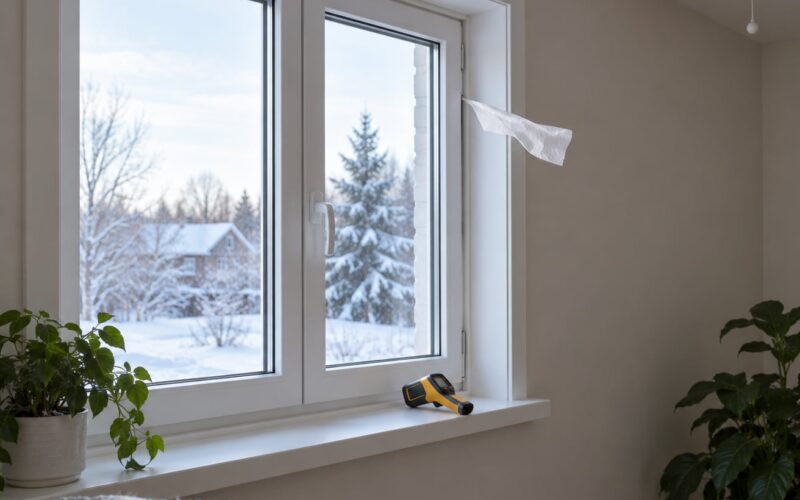
- Look for drafts first. Run a hand along baseboards, window frames and door seals on a windy day. A living room that hits 68F in five minutes is a different machine from one that takes an hour.
- Read your own kWh. Compare the heating months against the cooling months on the same statement. Households that discover heating costs twice as much know exactly where to focus their attention.
- Write down your real schedule. Actual wake time, actual departure time, actual return time, including the two days a week you work from home.
- Change one setting at a time. Move the sleep setting by 3 to 5 degrees first and leave it there for at least a week. Adjustments in small increments are easier to adapt to and easier to undo.
- Watch comfort, not just cost. If you are wearing a sweater indoors all evening, something is wrong: air leakage, a furnace sized too small, or a set point that is simply too low for your house.
A room-by-room and season-by-season checklist
Walk the house with a cheap thermometer in hand. In winter, check the bedroom, the room with the most windows and the room far from the thermostat; in summer, do the same in the afternoon when solar gain is highest. If one room sits 5 degrees away from the rest, close its vents or doors during peak hours and use a fan to move air.
Then set each state deliberately: home and awake, asleep, away, and vacation for more than a day. Write the four numbers down. A schedule you have committed to paper beats one you half-remember.
Winter and Summer Thermostat Settings at a Glance
| State | Winter | Summer | Best for | Note |
|---|---|---|---|---|
| At home, awake | 68F (20C) | 78F (25.5C) | Most homes | The usual starting point; DOE guidance for summer |
| Asleep | 60F to 62F (15.5C to 16.5C) | 80F to 81F (26.5C to 27.5C) | Eight-hour savings window | Largest single saving available to most households |
| Away for the day | 60F to 62F (15.5C to 16.5C) | 85F (29.4C) | Workdays, errands, evenings out | Do not switch the system fully off |
| Vacation, more than a day | 55F (13C) | 85F (29.4C) | Trips of a day or more | Protect pipes and the structure, not the comfort |
| Home with a baby, older adult or pet | 66F to 68F (19C to 20C) | 75F to 78F (24C to 25.5C) | Vulnerable residents | Comfort and safety outrank savings |
| Plants and tender species | 60F to 66F (15.5C to 19C) | 75F or below (24C) | Houseplants, seedlings | Move tender pots away from cold glass |
| Heat pump home | 66F to 68F (19C to 20C) | 78F (25.5C) | Heat pump households | Keep setbacks modest, avoid large swings |
| Mild coastal climate | 66F to 67F (19C) | 77F to 78F (25C to 25.5C) | Small temperature swings year-round | Savings come mostly from the overnight setback |
These numbers are starting points, not a verdict on your house. Two homes on the same street can need 67F and 72F in the same January week, and the table cannot know your insulation, your windows or who is home.
Tips to Save Energy Without Sacrificing Comfort
- Schedule first, micro-adjust later. Get the big blocks right before fussing with single degrees.
- Change setting, not speed. Moving the thermostat further from the current temperature never changes how fast a system reaches it. This one myth wastes more money than any other.
- Deal with doors and windows. Closing off the rooms you do not use during peak heating or cooling hours stops the system from fighting the outside air.
- Change your air filter. A clogged filter restricts airflow, which makes the system run longer for the same temperature. Check it monthly and note the interval on the frame.
- Keep the fan on Auto. A constantly running indoor fan can add to the humidity load in summer and cost you without cooling anything.
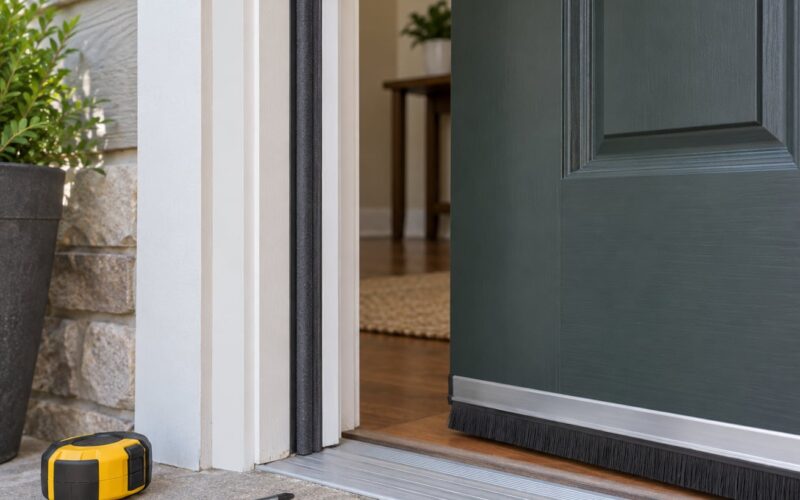
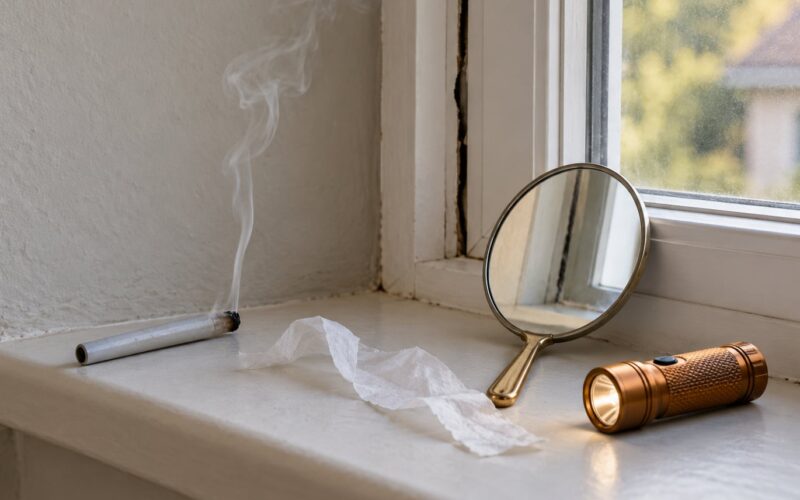
- Seal the obvious leaks. Weather stripping on drafty doors and windows, and a lamp or candle on a suspicious draft to find it, are cheap and immediate.
- Let the sun work for you. Blinds closed on the hot side and open on the cool side is a free thermostat adjustment that works better in some homes than three degrees of dial turning.
A few safety notes. Never block a radiator, heater or vent with furniture, rugs or bedding, and keep space heaters on hard floors with three feet of clearance. Leave gas appliances and any adjustment inside the furnace cabinet, the electrical panel or the ductwork to a licensed professional, and follow the manufacturer’s instructions in the manual.
Frequently Asked Questions
What is the most energy-efficient thermostat setting in summer?
Around 78F (25.5C) while you are home, which matches U.S. Department of Energy guidance. Raise it to 85F (29.4C) when the house is empty, especially during the 2 PM to 6 PM peak heat window, and drop it back overnight. Efficiency comes from the difference between your setting and the outdoor temperature, so closing blinds and sealing drafts often saves more than lowering the dial further.
What is the best thermostat setting in winter without making the house too cold?
68F (20C) at home while you are awake is the standard starting point and most people find it comfortable. Go to 60F to 62F (15.5C to 16.5C) while asleep, then add a layer of clothing rather than pushing the setting lower. If you still feel cold indoors at 68F, the problem is air leakage or an undersized system, not the thermostat.
Is it better to turn the thermostat off when I am away?
No. Switching the system fully off lets the house drift toward outdoor temperature, then makes the system work hard to recover, which uses more energy than holding a moderate setting. Leave it running and set an away or vacation point instead: 60F to 62F (15.5C to 16.5C) for a day in winter, 55F (13C) for longer absences, and 85F (29.4C) in summer.
Should I use the same thermostat setting in Fahrenheit and Celsius?
Yes, the target number is identical, only the unit changes. Useful equivalents to keep in your head: 68F is 20C, 78F is 25.5C, 60F is 15.5C, 62F is 16.5C, 55F is 13C and 85F is 29.4C. A thermostat set to 20C and one set to 68F are doing exactly the same job.
How do I use a programmable thermostat to save energy?
Build the schedule around your real routine: wake time, departure, return and sleep. Correcting those times by an hour each is often worth more than changing the degrees. Check the temperature against a cheap thermometer on the wall near the thermostat, and confirm the unit and the schedule actually saved before you walk away.
Can changing the thermostat really reduce my energy bill?
It can, and the change costs nothing. The Department of Energy reports up to 10% in annual heating and cooling savings from a 7 to 10 degree setback held for eight hours a day, and ENERGY STAR puts smart thermostat savings at up to 8%. Your actual result depends on climate, insulation and equipment, so compare two weeks of kilowatt-hours before and after.
Start With One Small Adjustment
Put the thermostat at 68F (20C) or 78F (25.5C) today, whichever season you are in, and leave it there for two weeks. Then drop the overnight setting by 4 or 5 degrees, or raise it by the same amount in summer.
Note the kilowatt-hours on your statement before and after, and ask the household one question: was it comfortable? That is the whole method behind the best thermostat settings for winter and summer savings, and it keeps working season after season.